

 See My Latest Article on HelloNation
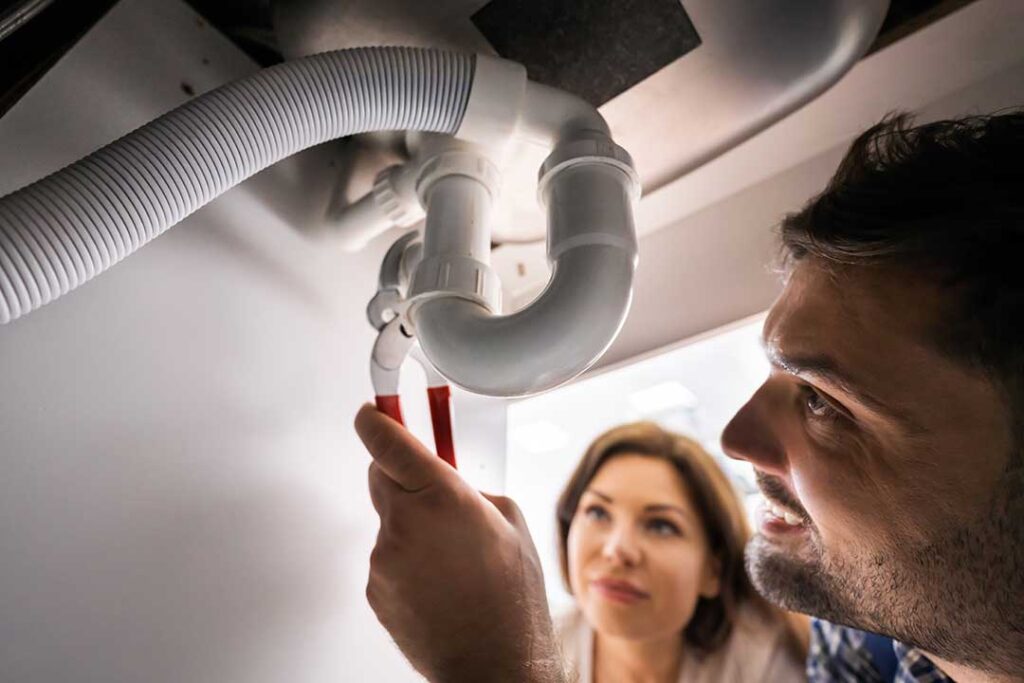
How can a homeowner tell that a leak is hidden?
A hidden leak often reveals itself through changes in water use, moisture, stains, odors, or sound before water becomes visible. The most useful first step is to compare several clues instead of waiting for a large wet spot.
Watch for:
- An unexplained increase in the water bill
- A water meter that moves when every fixture is turned off
- Damp, swollen, or discolored flooring, walls, ceilings, or cabinets
- Peeling paint, bubbling drywall, or loose wallpaper
- Musty odors in enclosed spaces
- Mold or mildew that keeps returning
- Water stains below bathrooms, kitchens, laundry areas, or mechanical spaces
- The sound of running or dripping water when the home is quiet
- Warm or unusually cool patches on a floor
- Reduced water pressure or a toilet that refills without being flushed
In older homes and houses with finished basements, a small leak can remain concealed for weeks. Water may travel along framing, insulation, or flooring before appearing far from the original source.
How do you check the water meter for a leak?
Turn off every water-using fixture and appliance, then check whether the meter continues to register flow. This test can identify leaks in the supply plumbing, toilets, water softener, outdoor connections, and other parts of the system.
Before testing:
- Make sure faucets are closed.
- Stop the dishwasher, washing machine, ice maker, and water treatment equipment.
- Do not flush toilets during the test.
- Check that outdoor spigots are not dripping.
- Wait for automatic appliances to finish filling.
Record the meter reading, then wait at least 30 minutes without using water. A moving flow indicator or a changed reading suggests that water is moving somewhere in the system. A longer test, such as two hours or overnight, can reveal very slow leaks.
A meter test does not identify the exact location. It only confirms that water is being used when it should not be. Toilets are a common cause, especially when the leak is quiet enough to escape notice.
What household leaks are easiest to overlook?
Toilet leaks, water softener problems, refrigerator supply lines, and small faucet leaks are frequently missed because they may not create visible damage immediately.
Toilets
Place a few drops of food coloring in the toilet tank and wait about 15 minutes without flushing. If colored water appears in the bowl, the tank is leaking through the flapper or another internal component. Do not leave dye in the tank for an extended period.
A toilet can waste a substantial amount of water while making little or no sound. Replacing a worn flapper is often a manageable repair, but the correct part must match the toilet’s design.
Under-sink plumbing
Remove stored items and inspect the shutoff valves, supply tubes, drain connections, and cabinet floor. Run the faucet while watching each joint with a dry paper towel. A towel can reveal a slow seep before a puddle forms.
Washing machine hoses
Inspect the hose connections and the wall behind the machine. Flexible hoses can deteriorate, split, or loosen at the connection. Water may run beneath the machine and remain hidden until flooring begins to swell.
Refrigerator and ice-maker lines
A small supply line can leak behind or beneath an appliance. Look for damp flooring, mineral deposits, or water trails along the wall. Move appliances carefully to avoid damaging the line during inspection.
Water softeners and treatment equipment
Connections around treatment equipment may drip slowly or discharge improperly. Check the floor around the unit and inspect the drain tubing for loose connections, cracks, or unusual flow.
How can you locate a leak inside a wall or ceiling?
Start with the nearest plumbing fixture above, behind, or beside the damaged area, but do not assume the visible stain marks the leak’s exact position. Water frequently travels horizontally along framing and may appear several feet away.
Look for patterns:
- A stain that grows after a shower may relate to a drain, supply line, tub, or shower enclosure.
- Damage that appears after laundry use may point to a washing machine, standpipe, or drain.
- A ceiling stain below a bathroom may come from a toilet seal, tub drain, shower valve, or supply piping.
- Moisture near an exterior wall may involve a plumbing leak, roof problem, condensation, or melting snow.
- A warm patch on a floor can indicate a hot-water pipe leak beneath the surface.
Use a moisture meter only as a supporting tool. It can show that an area is damp, but it cannot reliably identify the source or distinguish plumbing water from condensation or water entering from outside.
Avoid cutting into walls or ceilings at random. Before opening a surface, shut off the water if possible and consider what may be behind it, including electrical wiring, ductwork, insulation, and structural framing.
What should be done when a leak is found?
Stop the water source first, then protect nearby materials. Close the fixture’s shutoff valve if it has one. If the leak continues or the source is unclear, turn off the home’s main water supply.
Next:
- Place a container or towels beneath the leak.
- Move furniture, stored items, and electronics away from the area.
- Photograph the damage before removing materials.
- Open cabinets or access panels to improve airflow.
- Remove standing water promptly.
- Do not energize electrical equipment that has been wet.
- Check adjacent rooms, ceilings, and lower levels for migration.

A small leak may still cause significant damage if water has entered insulation, subflooring, drywall, or framing. Materials that remain damp can develop mold, odors, and structural deterioration. Drying should begin quickly, but saturated building materials may require careful removal and replacement.
Which repairs can be handled safely?
Simple repairs may include replacing a toilet flapper, tightening a supply connection slightly, installing a new faucet aerator, or replacing an accessible washer or gasket. The repair should stop the leak completely without forcing plastic fittings or over-tightening threaded connections.
Extra caution is needed with:
- Leaks near electrical outlets, wiring, or panels
- Pressurized water lines inside walls
- Burst pipes
- Frozen plumbing
- Gas water-heater connections
- Sewage backups
- Water that may be contaminated
- Leaks involving structural damage or extensive hidden moisture
If a pipe has frozen, do not use an open flame to thaw it. Shut off the water and warm the area gradually with safe household heat while watching for a split pipe. In cold Oshkosh winters, vulnerable piping can include lines in exterior walls, crawlspaces, garages, and poorly insulated utility areas.
Why do seasonal conditions matter in Oshkosh?
Freeze-and-thaw cycles can stress exposed plumbing, hose connections, foundation areas, and drainage systems. Cold weather also encourages homeowners to keep windows closed and ventilation limited, which can make condensation look similar to a plumbing leak.
During winter, check:
- Pipes near exterior walls
- Unheated basements, crawlspaces, and garages
- Outdoor faucet connections
- Areas beneath snow or ice where drainage is restricted
- Ceilings and walls below bathrooms after extended cold periods
Not every damp area comes from a supply pipe. Condensation on cold pipes, groundwater entry, roof runoff, and ice-related drainage problems can create similar stains. The timing of the moisture, its color and odor, and whether it changes when plumbing is used can help separate these causes.
When is a hidden leak an urgent problem?
A leak requires immediate action when water is spreading, the ceiling is sagging, electrical equipment is involved, sewage is present, or the source cannot be controlled. A ceiling that bulges with water should not be disturbed casually because it may fail suddenly.
Urgent shutoff is also appropriate when:
- A pipe has burst
- Water is flowing continuously
- A basement is filling
- Flooring is lifting or becoming unstable
- Mold covers a large area
- The leak involves contaminated water
- A repair would require entering a confined or hazardous space
Finding a hidden leak early usually limits both water loss and building damage. A meter check, careful fixture inspection, and attention to seasonal warning signs can reveal many problems before they become major failures.