

 See My Latest Article on HelloNation

Why Do Pipes Burst in Winter in Oshkosh, WI?
Pipes most often burst in winter due to freezing temperatures that cause water inside to expand. In Oshkosh, WI, below-zero stretches are common in January and February, and long cold snaps increase the risk. As water freezes, it expands, building up pressure inside your plumbing. This can cause metal or plastic pipes to split—sometimes with enough force to create significant flooding once the ice begins to thaw.
Older housing in the area, especially those built before the 1970s, may be more vulnerable due to insulation gaps, aging materials, or plumbing layouts running close to exterior walls or in unheated spaces like crawlspaces and basements. Homes with additions, porches, or garages converted for living space without updated insulation can also face higher risks.
What Areas in a Typical Home Are Most Vulnerable?
Pipes most likely to freeze and burst are found in:
- Unfinished basements
- Crawlspaces
- Garages (especially those with plumbing for hoses or laundry)
- Exterior walls with little or no insulation
- Kitchen or bathroom cabinets on outside walls
Cottages and vacation homes left unheated—or where the thermostat is set very low—may face an even higher risk.
How Can Residents Prevent Their Pipes from Freezing?
Prevention in this region centers on two ideas: keeping cold air away from pipes and ensuring water continues to flow when temperatures drop. Steps area homeowners can take include:
1. Insulate Exposed Pipes:
Foam pipe sleeves or insulation wrap are affordable and widely available at hardware stores. Focus on pipes near exterior walls, in the attic, crawlspaces, and basements.
2. Seal Drafts and Gaps:
Check for cold air leaks near windows, doors, sill plates, and utility line entries. Use caulk or expanding spray foam to seal gaps, particularly where pipes pass through exterior walls.
3. Maintain Consistent Indoor Temperatures:
Keep the thermostat at a consistent setting—generally at least 55°F, even when away. Allowing overnight temperatures to drop significantly can increase risk.
4. Keep Interior Doors Open:
During cold snaps, leave cabinet doors open under sinks to let warm air reach pipes, especially in kitchens and bathrooms with plumbing against outer walls.
5. Let Faucets Drip in Extreme Cold:
Allowing one or two taps to trickle can relieve pressure in the lines. This is particularly important on the coldest nights and for fixtures served by pipes in uninsulated areas.
Should Residents Shut Off Water or Drain Lines Before Leaving for Winter?
If planning to leave for several days during the coldest months, draining the plumbing system is often the safest approach. This means:
- Turning off the water at the main shutoff valve
- Opening faucets to drain all lines
- Flushing toilets to empty tanks and bowls
- Pouring non-toxic antifreeze down floor drains, toilets, and traps if temperatures might drop dramatically
This precaution is especially useful for cottage owners, snowbirds, or anyone who might be away during a deep freeze.
What If Pipes Freeze, but Haven’t Burst Yet?
If a pipe is suspected to be frozen (no water from a faucet, or visible frost/cracking noises), act promptly:
- Shut off the main water supply to prevent flooding if the pipe bursts.
- Carefully warm the pipe using a hair dryer, heating pad, or towels soaked in hot water. Never use open flames.
- Work slowly from the faucet back toward the frozen section.
- Inspect for leaks as thawing occurs—slow drips can quickly become major issues.
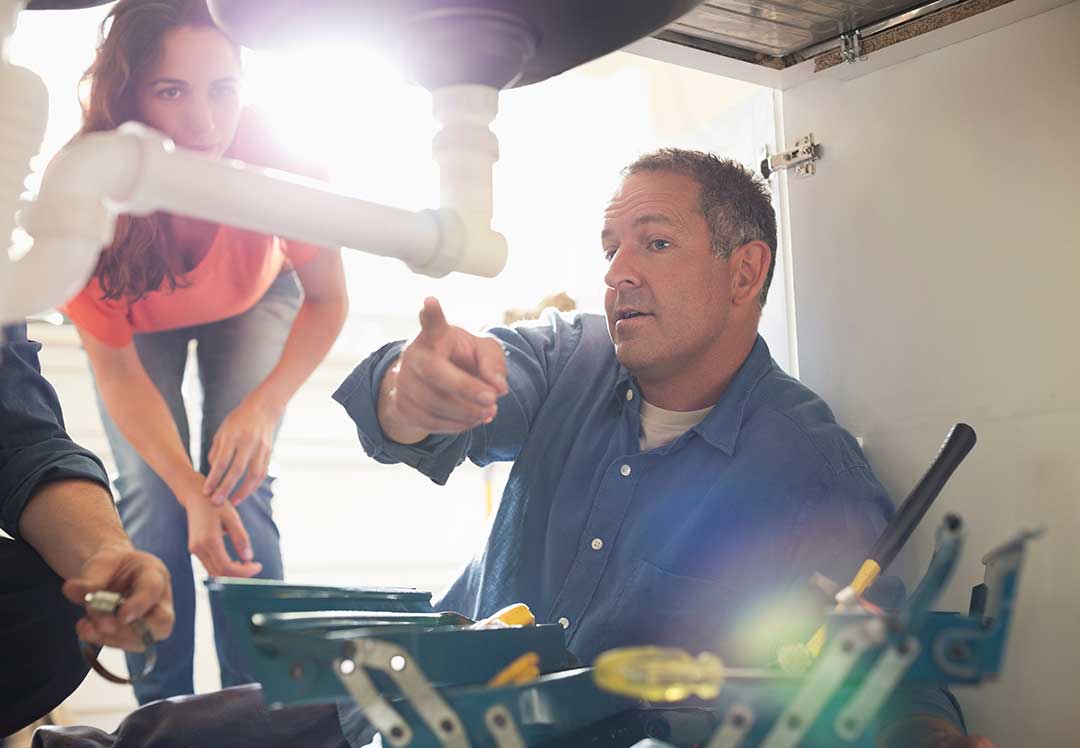
If you cannot safely access the frozen area, or if the pipe has already split, turning off water and seeking technically qualified help is necessary.
Are Common Insulation “Hacks” Effective?
While rags or newspaper around pipes may offer minimal short-term help, they are not reliable barriers against a deep Wisconsin freeze. Proper pipe insulation products are designed for consistent performance and moisture resistance. Heat tape or cable, when installed correctly, can offer added protection for particularly vulnerable sections—just be sure equipment matches pipe type and manufacturer instructions are followed.
How Do Local Building Codes or Housing Patterns Affect Burst Pipe Risk?
Many older homes in Oshkosh have original plumbing running through stone or masonry foundations and thinly insulated walls. Over the years, code updates have improved requirements for insulation and pipe placement, reducing risk in new builds. However, retrofitting insulation or rerouting pipes in older houses is still common practice after repeated freeze incidents.
Local rental properties and multi-family buildings are required to maintain minimum heating standards during winter. Tenants who experience freezes due to building-related issues should document the problem and report it to the property manager.
What Are Early Warning Signs Homeowners Should Watch For?
Early action can prevent minor freezes from causing major damage. Warning signs include:
- Sudden drops in water pressure
- Frost on visible pipe sections
- Wet spots or puddles near foundation walls or under sinks
- Odd sounds from pipes—such as banging, cracking, or gurgling
Routine winter checks, especially after prolonged cold spells, will help area homeowners catch issues quickly.
Additional Preventive Steps That May Be Overlooked
- Upgrade insulation in attics, crawlspaces, and basement rim joists where air leaks are easy to miss.
- Relocate outdoor hose bibs with frost-resistant models and disconnect hoses before winter.
- Install leak detectors in utility spaces and under sinks for early alerts to moisture problems.
- Know the location of your main shutoff valve so you can respond quickly if a pipe does burst.
Local habits—like clearing snow away from exterior vents and foundation accesses—can further reduce cold air infiltration and pipe exposure.
Residents who take a thorough approach to insulation, regularly check vulnerable spots, and respond promptly to any signs of trouble will see significantly fewer winter plumbing problems.