

 See My Latest Article on HelloNation
A toilet problem is not always an emergency, but some symptoms point to a leaking supply line, blocked drain, damaged sewer connection, or a condition that can quickly harm flooring and walls. For households in Oshkosh, knowing which issues are safe to monitor and which require prompt plumbing attention can prevent a minor repair from becoming a sanitation or water-damage problem.
Which toilet problems need prompt plumbing attention?
Call a plumber promptly when a toilet is overflowing, leaking continuously, backing up with wastewater, or showing signs of a damaged drain or supply connection. These problems can affect more than the toilet itself.
Urgent warning signs include:
- Water continues flowing after the handle is released and the shutoff valve does not stop it.
- The bowl is rising and a plunger is not clearing the blockage.
- Sewage or dirty water appears around the toilet base, in a nearby floor drain, or in a bathtub.
- Water leaks from the supply line, shutoff valve, tank, or floor connection.
- The toilet rocks noticeably or moves where it meets the floor.
- A ceiling, wall, or floor below the bathroom develops a damp spot or staining.
- Several fixtures drain slowly or back up at the same time.
- The toilet gives off a persistent sewage odor even after cleaning.
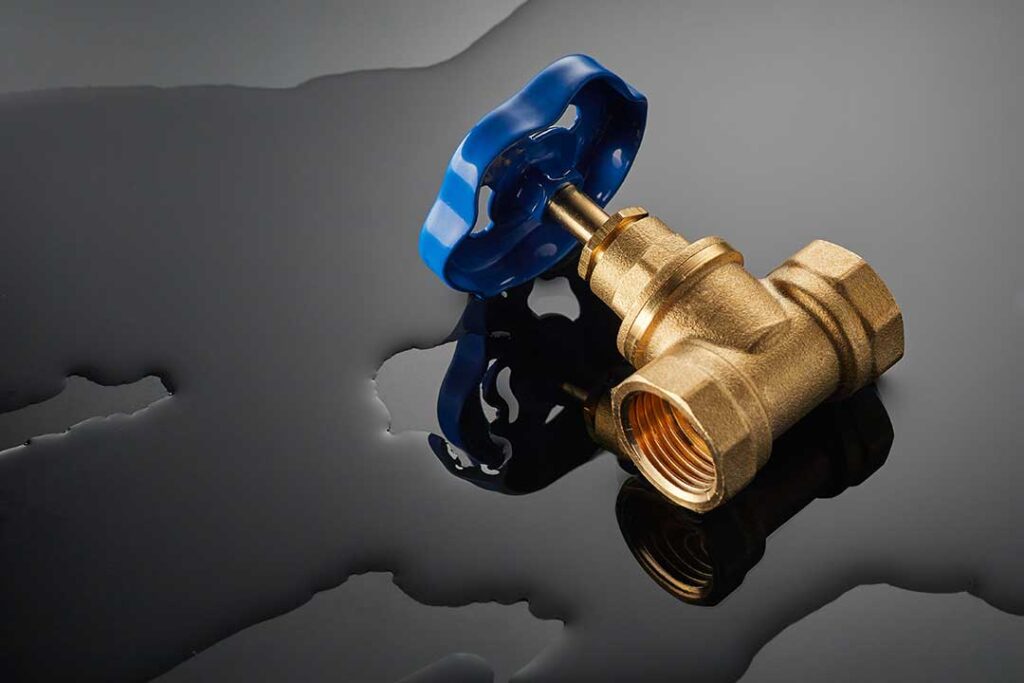
If water is spreading, close the toilet’s shutoff valve by turning it clockwise. If the valve does not work, the home’s main water supply may need to be shut off until the leak is controlled.
Is a toilet that runs constantly an emergency?
A constantly running toilet is usually not an emergency, but it should not be ignored. A worn flapper, faulty fill valve, misadjusted float, or mineral buildup can allow water to run continuously into the bowl.
A quick check can help identify the source:
1. Remove the tank lid carefully.
2. Check whether water is spilling into the overflow tube.
3. Gently lift the float to see whether the water stops.
4. Add a few drops of food coloring to the tank and wait about 15 minutes without flushing.
5. If colored water reaches the bowl, the flapper or another tank component is allowing water to pass.
A minor running problem can waste a substantial amount of water over time. It also becomes more concerning if the toilet is the only fixture affected during unusually cold weather, because a failing valve or supply component may be exposed to freezing conditions in an unheated area.
When does a clog require more than a plunger?
A simple clog often improves after several firm plunges with the correct toilet plunger. If the water level is high, avoid repeated flushing, which can cause an overflow.
A plumber is more appropriate when:
- The blockage returns soon after plunging.
- A plunger cannot lower the water level.
- The toilet backs up whenever a sink, shower, or washing machine drains.
- More than one toilet or drain is affected.
- A child’s toy, cleaning product container, or other solid object may be lodged in the trap.
- The toilet drains slowly but does not fully clog for several days.
Recurring clogs may indicate a deeper drain obstruction, a damaged pipe, inadequate venting, or tree-root intrusion in an underground sewer line. Older homes and properties with mature landscaping can have conditions that are not visible from the bathroom.
Chemical drain cleaners are a poor choice for toilet clogs. They may damage plumbing components, create hazardous splashes, and remain in the bowl or drain when someone later uses a plunger or auger.
What does it mean if the toilet bubbles or gurgles?
Bubbling or gurgling usually means air is moving through the drainage system abnormally. It can happen when a drain is partially blocked, a vent is restricted, or wastewater is struggling to move through the building drain.
A toilet that gurgles when another fixture is used deserves attention, especially if the bowl water rises or falls without flushing. These symptoms can signal a developing main drain problem rather than a defect in the toilet tank.
In winter, snow and ice can also affect exterior plumbing components or vent openings in some homes. A blocked vent may contribute to slow drainage, odors, or unusual toilet sounds. Because the cause is not always visible from inside the bathroom, repeated gurgling is a reason to have the drainage system assessed.
Why is water appearing around the base?
Water around the base is not normal, even if the toilet still flushes. The source may be condensation, a loose supply connection, a cracked tank or bowl, or a failed seal where the toilet connects to the drain.
A useful distinction is timing:
- Water appears only when the tank is filling: suspect the supply line, shutoff valve, or tank connection.
- Water appears after flushing: suspect the base seal, bowl, or drain connection.
- Water appears on very humid days: condensation may be forming on the tank, but the floor should still be checked carefully.
- Water appears without flushing: suspect a continuous leak or hidden supply problem.
Repeated moisture can damage flooring, subflooring, trim, and the ceiling below. In a bathroom located over a finished room, a small leak may remain hidden until staining or soft flooring becomes noticeable.
Avoid repeatedly tightening the bolts at the base. Excessive force can crack the porcelain. If the toilet rocks, the floor or mounting connection may also need examination.
Can a homeowner handle minor toilet repairs?
Some basic repairs are reasonable when the source is clear and the work can be done without forcing parts. Replacing a flapper, adjusting a float, tightening a hand-loose supply connection, or clearing a straightforward clog may be manageable for many homeowners.
Extra caution is appropriate when:
- The shutoff valve is corroded, stuck, or leaking.
- Porcelain is cracked.
- The toilet must be removed.
- The floor feels soft.
- The home has older or fragile plumbing.
- A repair requires force on a pipe, valve, or threaded fitting.
- Water may have reached electrical equipment or a ceiling below.
Porcelain can crack suddenly, and older shutoff valves may begin leaking when moved after years of inactivity. If a repair attempt makes the leak worse, shut off the main water supply and limit use of the fixture until the problem is evaluated.
How does cold weather affect toilet problems in Oshkosh?
Freezing temperatures can make toilet problems more urgent in Oshkosh. Supply lines, exposed pipes, crawl spaces, garages, and poorly heated bathrooms are vulnerable during extended cold periods.
Warning signs of a freezing or partially frozen pipe include:
- Little or no water enters the tank.
- The supply line feels unusually cold or rigid.
- Water pressure changes suddenly.
- A pipe makes noise when the valve is opened.
- A leak appears as temperatures rise.
Do not use an open flame or high heat to thaw a pipe. Frozen plumbing can split inside a wall and begin leaking after thawing. Gentle warming and professional evaluation may be necessary, particularly when the pipe is inaccessible or the home has already sustained water damage.
What information should be ready before help arrives?
A clear description can make diagnosis more efficient. Note whether the issue started suddenly, whether other fixtures are affected, and whether the problem occurs only during flushing or also when other drains are used.
It also helps to know:
- Whether the toilet is leaking clean water or wastewater.
- Whether the shutoff valve stops the flow.
- Whether the toilet has been plunging slowly for days or weeks.
- Whether nearby flooring, walls, or ceilings show damage.
- Whether freezing weather preceded the problem.
- Whether the property has experienced previous sewer or drain backups.
The most useful rule is simple: a toilet that merely needs a new tank component can often wait for a convenient repair, but uncontrolled water, wastewater backup, structural movement, recurring blockages, and signs of hidden leakage should be addressed promptly.