

 See My Latest Article on HelloNation
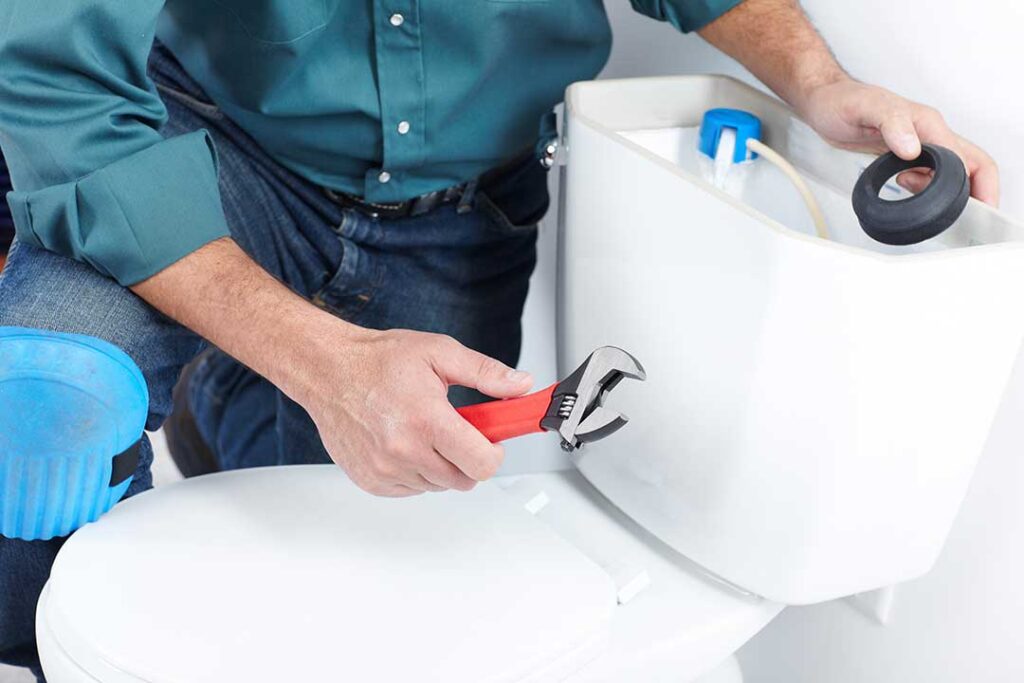
A running toilet is usually caused by a small problem inside the tank, such as a worn flapper, a misadjusted float, or a refill tube that is sending too much water into the overflow pipe. Many of these issues can be checked and corrected safely with basic household tools.
A toilet that runs for a few seconds after each flush may need a simple adjustment. A toilet that runs continuously can waste a significant amount of water and may eventually increase water charges or contribute to a leak around the base.
What should be checked first?
Start by removing the tank lid and observing what happens during and after a flush. Keep fingers, clothing, and tools away from moving parts while the mechanism is operating.
Look for these common symptoms:
- Water continues flowing into the bowl after the tank is full.
- The tank water rises high enough to enter the overflow tube.
- The toilet makes a brief refill sound every few minutes.
- The flush handle feels loose or does not return to its normal position.
- Water is visible around the toilet base, supply connection, or shutoff valve.
Before making adjustments, locate the shutoff valve near the floor or wall behind the toilet. Turn it clockwise gently if the tank begins to overflow. Do not force a stiff valve, since older valves can leak when disturbed.
How can a faulty flapper be fixed?
A worn or poorly seated flapper is one of the most common causes of a running toilet. The flapper is the rubber or plastic valve at the bottom of the tank. It lifts during a flush and should seal the opening once the tank begins refilling.
To inspect it:
1. Turn off the toilet’s shutoff valve.
2. Flush the toilet to empty most of the tank.
3. Check whether the flapper is centered over the drain opening.
4. Remove mineral buildup or debris from the sealing surface with a soft cloth.
5. Inspect the rubber for warping, cracks, stiffness, or a slimy deteriorated texture.
6. Reopen the shutoff valve and observe whether the flapper seals completely.
If the flapper is damaged, replacement is generally a manageable do-it-yourself repair. Use a replacement designed for the toilet’s specific flush valve opening. Universal parts do not always seal correctly.
The chain should have a small amount of slack when the flapper is closed. If it is too tight, the flapper may remain slightly open. If it is too loose, the handle may not lift it high enough during a flush. Adjust the chain by moving its attachment point or removing a few links.
A temporary adjustment may stop the running, but a deteriorated flapper usually needs replacement rather than repeated cleaning.
Why is water entering the overflow tube?
The overflow tube prevents the tank from overflowing into the room. If water continually spills into this tube, the tank’s water level is too high or the fill valve is not shutting off correctly.
The water level should normally sit below the top of the overflow tube. Many tanks have a marked waterline molded into the porcelain or printed on the inside of the tank.
For a toilet with a float ball, lower the water level by turning the adjustment screw or bending the float arm only if the design allows it. Avoid bending metal parts aggressively.
For a toilet with a float cup, adjust the screw, clip, or sliding mechanism attached to the fill valve. Make small changes, flush the toilet, and check the level again.
Do not set the water level so low that the toilet produces a weak flush. The goal is to keep the level below the overflow opening while preserving normal flushing performance.
How should the fill valve be adjusted?
The fill valve controls water entering the tank after a flush. A worn fill valve may produce humming, hissing, sputtering, or a constant trickle even when the tank appears full.
First, check whether the valve is simply set too high. Lower the float gradually and listen for the water to stop. If the water does not stop after adjustment, the valve may have internal wear or sediment buildup.
Some fill valves can be cleaned by shutting off the water, removing the valve cap, and briefly flushing the valve according to its design. This should only be attempted when the parts are clearly understood and the shutoff valve operates properly.
Replacement is safer than forcing a stuck adjustment or disassembling a brittle valve. Turn off the water before removing any part, and place a shallow container or towel below the connection to catch residual water.
What does the small refill tube do?
A narrow refill tube runs from the fill valve to the top of the overflow tube. It sends a small amount of water into the bowl after a flush so the bowl returns to its normal level.
The tube should be clipped above the overflow tube opening, not pushed deep inside it. If the tube is inserted into the overflow tube, it can create a siphoning effect and cause water to run continuously.
The tube should also be secure but not kinked. If it is cracked, loose, or spraying outside the tank, replace or reposition it. Never seal the tube tightly into the overflow opening.
Could the flush handle be causing the problem?
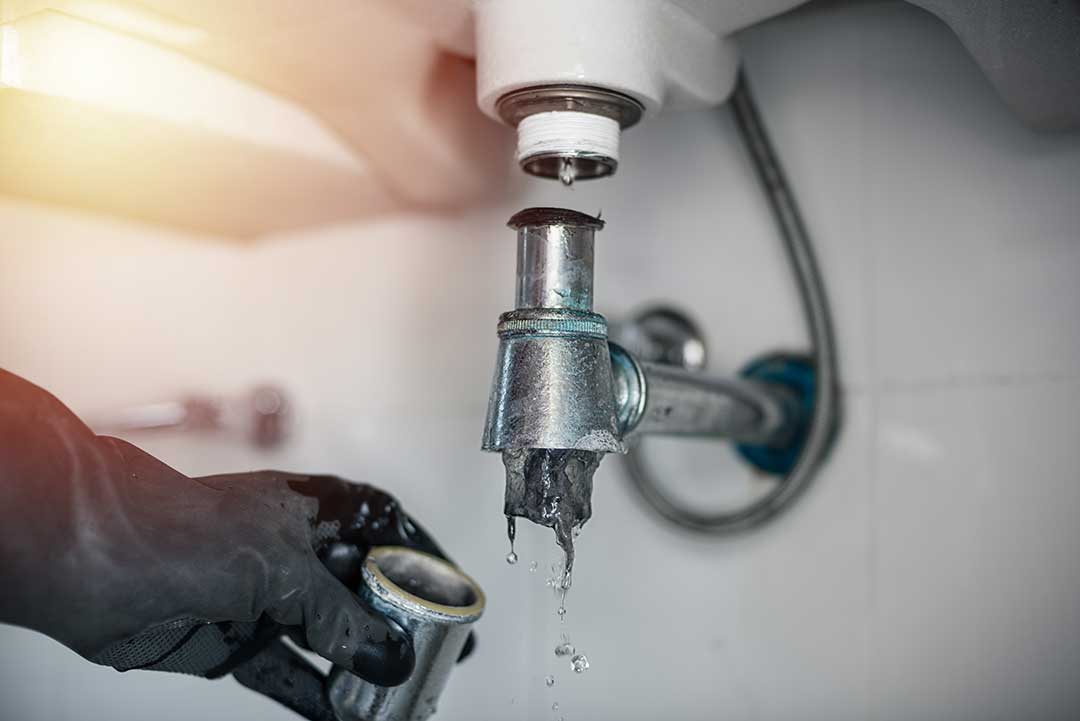
Yes. A loose, bent, or improperly adjusted handle can keep the chain under tension and prevent the flapper from closing.
With the tank lid removed, move the handle and watch the chain. The chain should lift the flapper during flushing and then fall loosely when the handle returns. If the handle sticks against the tank lid or the chain catches on another part, correct the alignment.
A handle that remains loose after tightening may have a worn mounting nut or damaged lever. The nut inside the tank often uses reverse threading, so it may loosen in the opposite direction from a standard nut. Tighten it only enough to hold the handle firmly; excessive force can crack the porcelain.
How can a silent leak be detected?
A toilet can leak from the tank into the bowl without making much noise. A few drops of food coloring placed in the tank can help identify this type of leak. Do not flush for about 10 to 15 minutes. If the color appears in the bowl, water is passing through the flapper or flush valve seal.
Clean the tank afterward by flushing until the water is clear. Avoid using strong cleaning chemicals or drop-in tablets that can damage rubber parts and shorten the life of the flush mechanism.
A silent leak may be especially easy to overlook in a household where seasonal water use changes. In Oshkosh, WI, residents may also notice plumbing sounds more clearly during colder months when homes are closed up and heating systems are running. The toilet itself remains the first place to inspect when a periodic refill sound occurs.
When is a running toilet no longer a safe DIY repair?
Basic adjustments and flapper replacement are usually low-risk, but stop if the porcelain is cracked, the shutoff valve will not close, or water is escaping onto the floor.
Further caution is warranted when:
- The toilet rocks at the floor.
- Water appears around the base after flushing.
- The supply line or shutoff valve is corroded.
- The tank has a visible crack.
- The toilet continues overflowing after the shutoff valve is closed.
- A repair requires force against old or brittle fittings.
A cracked tank or leaking base can cause water damage that is more serious than the original running-toilet problem. In those situations, keeping the shutoff valve closed until the cause is addressed is the safest immediate step.
How can future running problems be reduced?
Check the toilet tank occasionally rather than waiting for a constant sound. Make sure the water level remains below the overflow tube, the refill tube is positioned correctly, and the flapper closes without rubbing against the tank wall.
Avoid hanging heavy objects from the flush handle, using harsh in-tank chemicals, or repeatedly forcing a stiff shutoff valve. These habits can shorten the life of toilet components.
A properly adjusted toilet should stop filling shortly after the flush and remain quiet between uses. If it cycles repeatedly despite clean, correctly positioned parts, the leak may involve the flush valve seal, tank bolts, or another component that needs closer inspection.