

 See My Latest Article on HelloNation
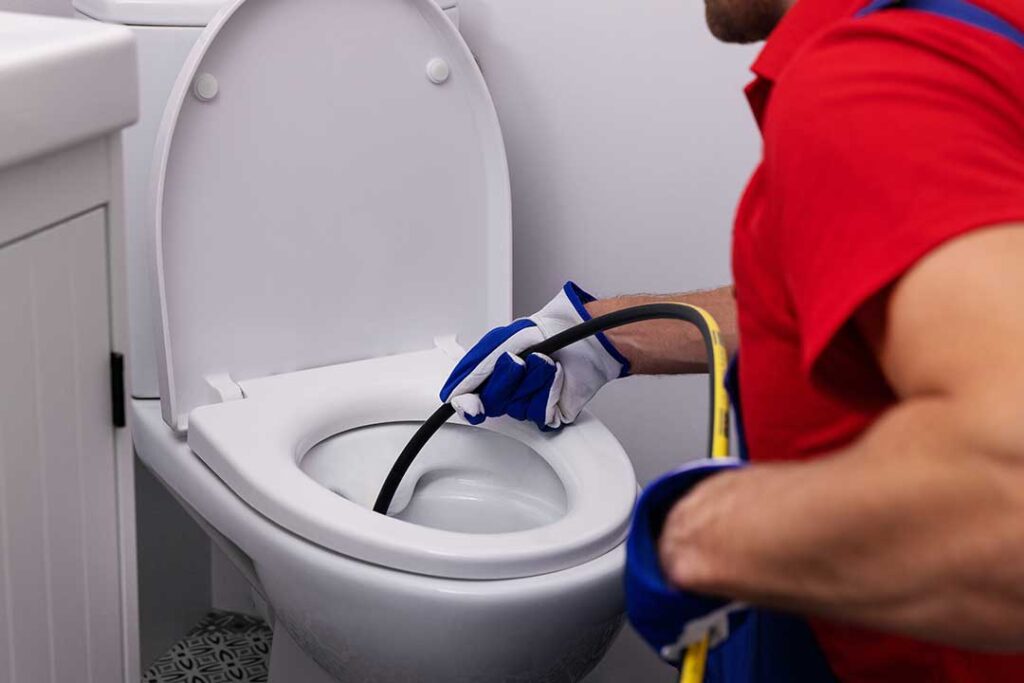
Which plunger should be used for a toilet?
A flange plunger is usually the right choice for a clogged toilet. Its narrow, extended rubber sleeve fits into the toilet drain opening and helps create the pressure needed to move a blockage.
A flange plunger may look like a cup plunger with an extra rubber extension, but that extension is what makes it more effective for toilets. Before plunging:
- Make sure the bowl contains enough water to cover the rubber cup.
- If the bowl is nearly full, remove some water to prevent overflow.
- Open the toilet tank lid and be ready to lower the flapper if water continues rising.
- Place the flange directly into the drain opening so it forms a seal.
Begin with a few gentle pushes to remove air from the plunger. Then use firm, steady strokes without lifting the plunger completely away from the drain. Pull upward at the end of a few strokes because the lifting action can help loosen the obstruction.
A toilet plunger should be reserved for toilets. Using it in a sink can spread contaminated water and may not create the correct seal.
Is a cup plunger better for a sink or bathtub?
A flat-bottomed cup plunger is designed for sinks, bathtubs, and some shower drains. The broad rubber cup rests over the drain and uses pressure and suction to shift a partial blockage.
For a sink, block the overflow opening with a damp cloth before plunging. Without this step, air may escape through the overflow rather than pushing against the clog. If the sink has two basins, seal the second drain as well.
Add enough water to cover the rubber cup, then press the plunger over the drain. Use several controlled strokes. If the blockage is in the trap beneath the sink, plunging may move it temporarily or clear it entirely.
Bathtubs and showers often require the same approach, but the overflow opening must be covered. A wet cloth held firmly over the opening can improve the seal. Hair and soap buildup may respond better to a drain-cleaning tool than repeated plunging, especially if the water drains very slowly rather than stopping suddenly.
What is an accordion or bellows plunger used for?
Accordion-style plungers are marketed primarily for toilets, but they are not always the easiest tool to control. Their rigid shape can make it difficult to form a good seal on some toilet drains, and forceful use may send water upward or splash outside the bowl.
A flange plunger with a flexible rubber cup is generally easier for most household toilet clogs. An accordion model may be useful when its shape fits the drain well, but it should be used carefully and with gradual pressure.
The most suitable plunger is not necessarily the one that produces the greatest force. A reliable seal and controlled movement matter more than aggressive pressure.
How can the correct plunger be identified?
The drain’s shape and location provide the best clues.
- Toilet: Flange plunger with an extended rubber sleeve.
- Bathroom sink: Flat cup plunger that covers the drain.
- Kitchen sink: Flat cup plunger, with the second basin sealed if applicable.
- Bathtub or shower: Flat cup plunger that covers both the drain and overflow opening.
- Floor drain: A cup-style plunger may work if the drain is shallow and accessible, but the seal can be difficult to maintain.
Plungers also differ in handle length, cup diameter, and flexibility. A longer handle can make it easier to work over a deep toilet bowl or bathtub. A smaller cup may fit a compact sink drain better, while a larger cup can cover a wider flat drain.
A plunger should be clean, flexible, and free of cracks. Hardened or damaged rubber may not seal properly, even if the design is correct.
Why does plunging sometimes fail?
Plunging may fail when the tool cannot create a seal, when the obstruction is too far into the drain, or when the blockage is caused by something that should not be pushed farther into the pipe.
Common causes include:
- The wrong plunger style is being used.
- The drain opening is not fully covered.
- A sink overflow or second basin is allowing air to escape.
- Too little water is present around the cup.
- The blockage contains a solid object.
- The drain is affected by heavy buildup farther down the line.
- Multiple fixtures are draining slowly because of a larger drainage problem.
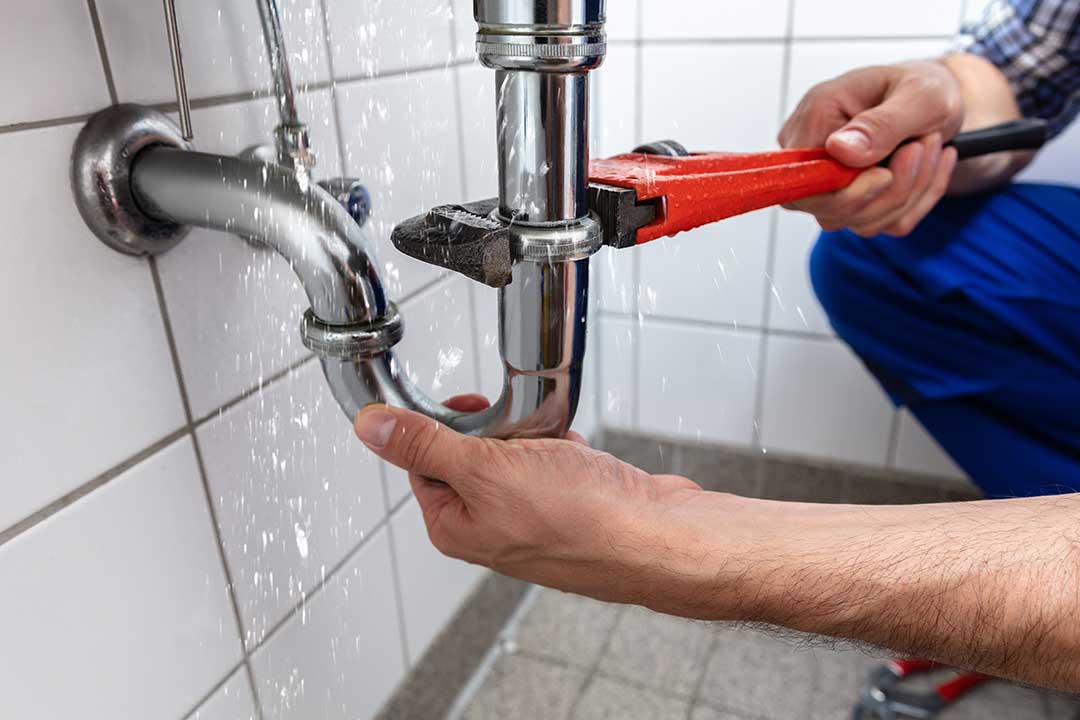
If water rises in more than one fixture, plunging one drain may not solve the underlying issue. For example, a toilet and nearby sink that both drain poorly can indicate a restriction beyond the individual fixture.
Avoid using repeated, violent strokes. Excessive force can damage older drain components, loosen fittings, or push a blockage deeper into the plumbing system.
Should chemical drain cleaner be used before plunging?
Chemical drain cleaner and plunging should not be combined casually. If a caustic or acidic product has been poured into the drain, liquid may remain in the fixture or pipe. Plunging afterward can splash that chemical onto skin, clothing, or the eyes.
Read the product label and follow its safety instructions. In general, mechanical methods such as a plunger are preferable as a first response to a simple fixture clog because they do not add corrosive chemicals to the plumbing.
Never mix drain-cleaning products, bleach, ammonia, or other household chemicals. Keep children and pets away from standing water that may contain a chemical cleaner.
What should Oshkosh households consider during winter?
In Oshkosh, freezing temperatures can affect plumbing fixtures, exposed traps, and drains in garages, basements, additions, or other areas with limited heat. A plunger will not correct a frozen pipe, and forcing a frozen drain can create additional stress on fittings.
If a fixture stops draining during a cold spell, check for signs of freezing, such as unusually cold cabinet walls, frost, or a pipe that is inaccessible because of ice. Do not use an open flame to thaw plumbing. Gentle warming from a safe heat source may help in limited situations, but a frozen or split pipe requires caution because water may begin leaking as the ice melts.
Seasonal conditions can also make basement and floor-drain problems more noticeable. Heavy water entering a drain or sump area is different from a typical hair, food, or paper clog. A plunger is intended for localized blockages, not for managing groundwater, sewer backup, or repeated water intrusion.
When is a plunger not the right tool?
A plunger is reasonable for a single, slow or blocked fixture when no hazardous material is involved. Another method may be needed when:
- Several fixtures back up at the same time.
- Wastewater returns through a floor drain.
- The clog returns soon after plunging.
- The fixture contains a toy, cleaning tool, or other solid object.
- Water leaks from a wall, ceiling, or pipe connection.
- There is a sewage odor with repeated drainage problems.
- The blockage may involve a frozen, broken, or collapsed pipe.
Stop using the fixture if wastewater is rising or leaking. Keep electrical devices away from standing water, and avoid opening or disassembling plumbing components when contaminated water or structural damage may be present.
For ordinary household clogs, the best choice is usually simple: use a flange plunger for a toilet and a flat cup plunger for sinks, tubs, and showers. The right fit, a complete seal, and controlled pressure are more useful than excessive force.