

 See My Latest Article on HelloNation
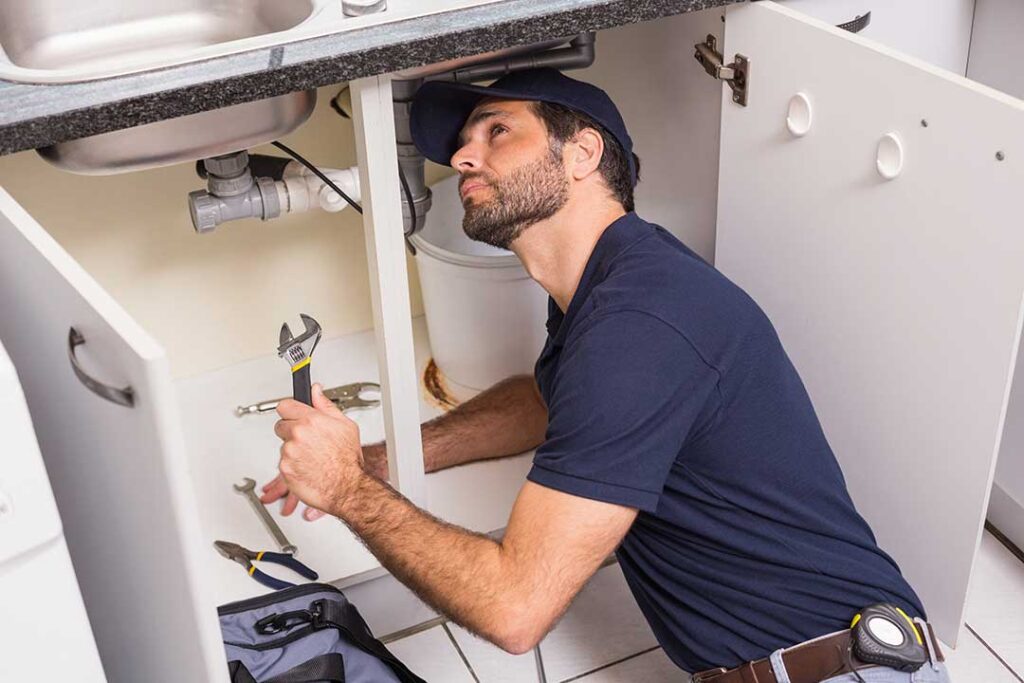
A foul or unusual odor from a sink drain usually comes from trapped food residue, bacteria, a dry plumbing trap, or buildup inside the drain line. The smell may be unpleasant but often has a straightforward cause that can be identified by noticing when it appears and which sink is affected.
What does a bad sink-drain smell usually mean?
A sink drain odor generally indicates that organic material, stagnant water, or sewer gas is present somewhere in or near the drain system. Common descriptions include:
- Sour or fermented smells
- Rotten-egg odors
- Musty or swampy odors
- Grease-like or rancid smells
- A sewage odor that seems strongest when the sink is not being used
The location and timing of the smell provide useful clues. An odor limited to the kitchen sink often points to food particles, grease, or a dirty disposal chamber. A bathroom sink may smell because of soap residue, hair, toothpaste, or bacteria growing in the overflow opening. A strong sewage odor can indicate a trap problem or a plumbing vent issue.
Could food and grease be causing the odor?
Yes. Kitchen sink drains commonly collect small amounts of food, cooking oil, grease, and detergent residue even when the basin appears clean. These materials can cling to the inside of the drainpipe and begin decomposing. Warm water may temporarily reduce the smell without removing the underlying buildup.
Sink strainers help reduce the amount of debris entering the drain, but they do not stop all residue. Grease is especially troublesome because it may flow as a liquid and later harden farther down the pipe. Over time, the buildup can trap additional food particles and create a persistent odor.
For a mild kitchen-drain smell, remove visible debris from the strainer and clean the area around it. Running hot tap water for several minutes may help loosen light residue. Avoid pouring large amounts of cooking grease down the drain, even if followed by hot water.
Why does the bathroom sink smell if nothing is going down it?
Bathroom sinks can develop odors from buildup in places that are easy to overlook. The drain opening is only one possible source. Many bathroom sinks also have an overflow channel, a small opening near the upper inside wall of the basin. Water, soap, toothpaste, skin oils, and bacteria can collect inside that passage.
If the smell becomes stronger when the drain stopper is lifted, residue may be concentrated around the stopper assembly or pop-up mechanism. Hair and soap film can form a sticky layer that holds bacteria and produces a musty or sour odor.
Clean the stopper and the visible drain opening carefully. A narrow brush can help remove buildup from accessible surfaces. If the overflow channel smells, flushing it with warm water may help, but avoid forcing tools deep into the opening where they could damage internal components.
What does a rotten-egg smell indicate?
A rotten-egg smell is often associated with hydrogen sulfide, a gas produced when organic material breaks down without much oxygen. In a sink, this may come from decomposing residue in the drain or from sewer gas entering through a plumbing trap that is not holding water properly.
A small amount of odor near a dirty drain does not necessarily mean there is a dangerous concentration of gas. However, a strong or recurring rotten-egg smell should not be ignored, especially if it affects more than one fixture or is present even when the sink is clean.
If the odor is intense, causes headache or nausea, or appears throughout the home, leave the area and ventilate it if safe to do so. Avoid using flames or creating sparks while investigating an unexplained gas-like odor.
Could the P-trap be dry?
Yes. The P-trap is the curved section of pipe beneath a sink. It is designed to hold a small amount of water, which blocks sewer gases from traveling into the room.
A trap can dry out when a sink is rarely used, such as a basement, guest bathroom, seasonal living area, or utility sink. Dry indoor air during winter can contribute to evaporation, although normal household use usually keeps frequently used traps filled.
To restore the water seal, run the faucet for several seconds. If the smell disappears and does not return, a dry trap was likely the cause. For a fixture that is used only occasionally, running water through it every few weeks can help maintain the seal.
If the trap repeatedly dries out despite regular use, there may be a leak, poor venting, or another drainage problem that needs further investigation.
Why is the odor worse during cold weather?
Seasonal conditions can affect plumbing odors. In Oshkosh, cold winters may lead residents to keep windows closed, reduce ventilation, and use heating systems that make indoor air drier. These conditions can make existing drain odors more noticeable.
Cold weather can also expose problems in less-used plumbing areas. A dry trap, a partially blocked vent, or a damaged pipe may become more apparent when the home is tightly closed and air pressure changes occur. Older homes, remodeled bathrooms, and additions may have different plumbing arrangements that respond differently to temperature and ventilation.
A seasonal smell that disappears after a fixture is used may be related to a dry trap. An odor that returns repeatedly or affects several fixtures deserves closer attention.
Can chemical drain cleaners remove the smell?
Chemical drain cleaners may temporarily change an odor, but they do not always remove the source. They can also create safety risks if different products are mixed or if someone later opens a drain containing corrosive chemicals.
Do not combine drain cleaner with bleach, ammonia, vinegar, or another drain product. Follow the product label exactly if a chemical cleaner is used, and keep the area ventilated. Mechanical cleaning, removal of visible buildup, and correcting the cause are generally more reliable than masking the odor.
Boiling water is not appropriate for every plumbing system, particularly if the drain contains plastic components or if a manufacturer gives different care instructions. Hot tap water is a safer general option for light residue.
What if several drains smell at the same time?
Odors from multiple fixtures may indicate a broader drainage or venting issue rather than a problem limited to one sink. Warning signs include:
- Smells from sinks, tubs, or floor drains in different rooms
- Gurgling after a toilet is flushed
- Slow drainage in several fixtures
- Water levels changing in nearby traps
- Odors that return shortly after cleaning
- Sewage smells in a basement or utility area
A blocked plumbing vent can interfere with drainage and allow sewer gas to enter through traps. A partially obstructed building drain can also cause sluggish flow, bubbling, or recurring odors. These conditions may require qualified plumbing evaluation because correcting them can involve concealed piping, roof-level vents, or the building sewer connection.
When is a drain odor a safety concern?
A mild odor that improves after cleaning is usually a maintenance issue. Prompt attention is more appropriate when the smell is strong, persistent, or accompanied by symptoms or drainage changes.
Take extra care if:
- The odor resembles natural gas or rotten eggs and cannot be localized
- Anyone experiences dizziness, nausea, headache, or breathing irritation
- Sewage backs up into a sink, tub, or floor drain
- Several fixtures are affected
- A drain trap will not hold water
- The odor returns quickly after the fixture is cleaned
Keep children and pets away from contaminated water, avoid mixing cleaning chemicals, and ventilate the area when safe. Plumbing odors are often minor, but recurring sewer-gas symptoms or wastewater backups should be treated as more than a simple drain-cleaning problem.
A practical way to identify the source
Start by cleaning the stopper, strainer, and visible drain opening. Run water through the fixture and note whether the smell changes. Then check whether nearby fixtures drain normally and whether any seldom-used drains have dry traps.
Pay attention to patterns: an odor after dishwashing may suggest food or grease residue; an odor from a rarely used sink may point to a dry trap; and smells from multiple fixtures may indicate a venting or drainage concern. These observations can help distinguish a localized buildup problem from an issue affecting the larger plumbing system.